Stories
Keeper voices from the northern coast
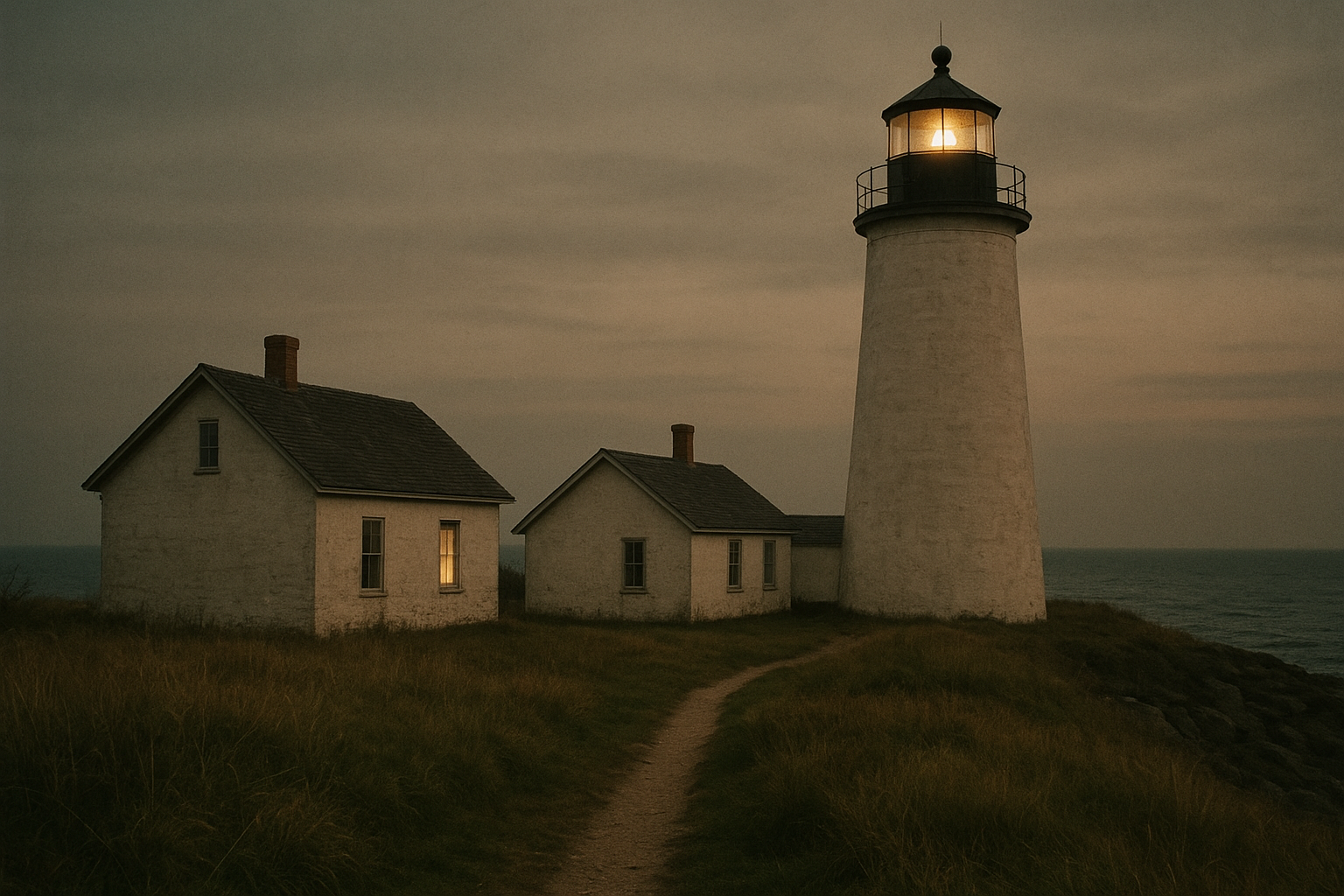
These accounts follow routine work in difficult weather—night watches, signal upkeep, long stretches of isolation, and the steady duty of keeping lights alive for passing ships.
Read featured stories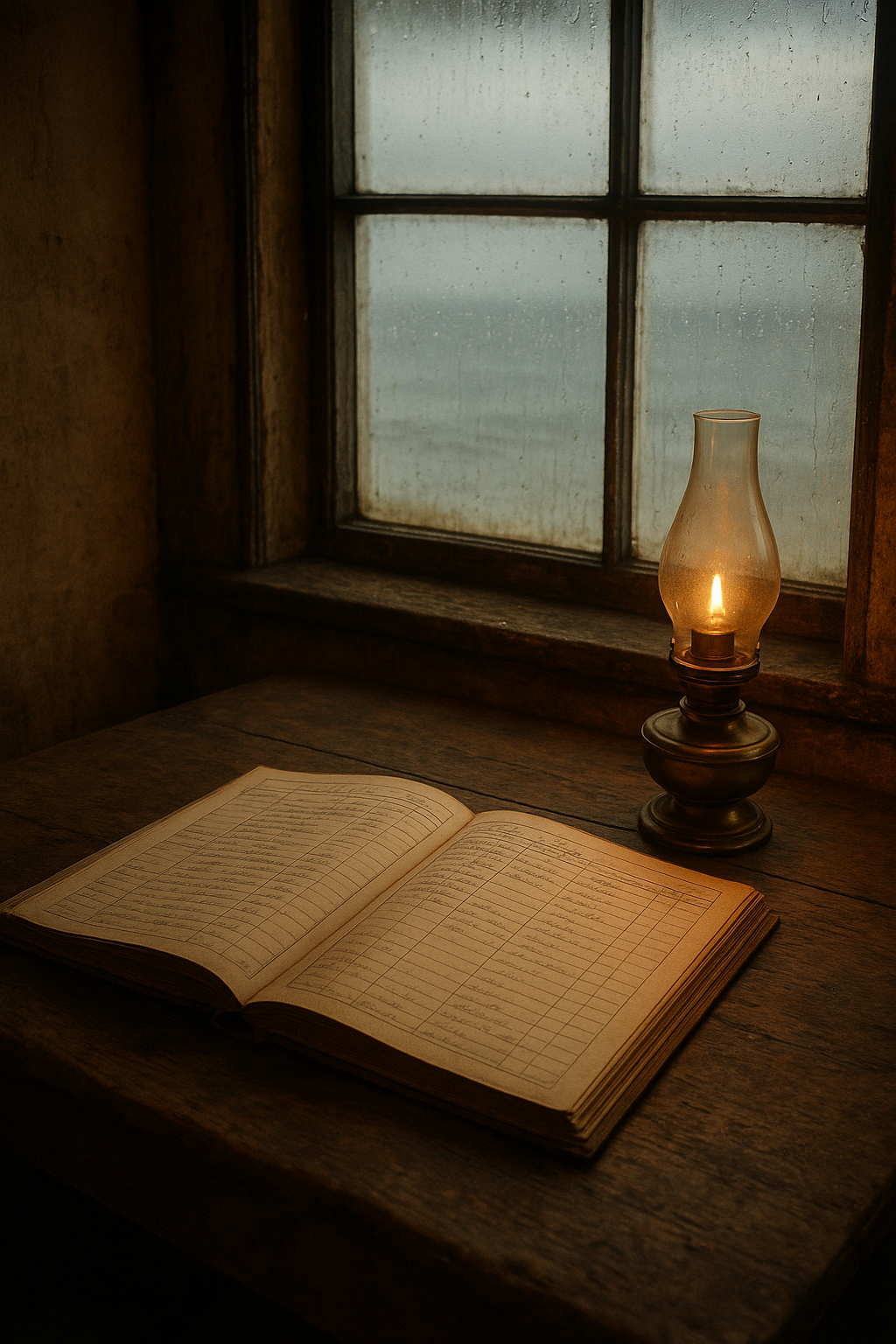
Stories
These accounts follow routine work in difficult weather—night watches, signal upkeep, long stretches of isolation, and the steady duty of keeping lights alive for passing ships.
Read featured storiesDocumented Recollections
Short accounts preserved in logbooks, letters, and oral histories—small human traces beside the signal light.
We trimmed the lamp at dusk and again before dawn; in heavy weather, the glass sang with spray, and the beam felt like a promise carried farther than our own shore.
— Logbook entry, North Bar Station, winter watch, 1911
The fog bell marked the hour when we could not see beyond the rail. Fisher crews told us later they counted those strokes as carefully as they counted their own breath.
— Oral account of Assistant Keeper M. Halvorsen, recorded 1934
On clear nights the lens turned so quietly you noticed only the sweep across the water. We kept to routine, but every passing light reminded us someone was answering.
— Letter from Keeper E. S. Rudd to the district office, 1922
Keeper scenes
Three brief scenes from lighthouse life along the northern coast, drawn from logbook details and oral recollections.
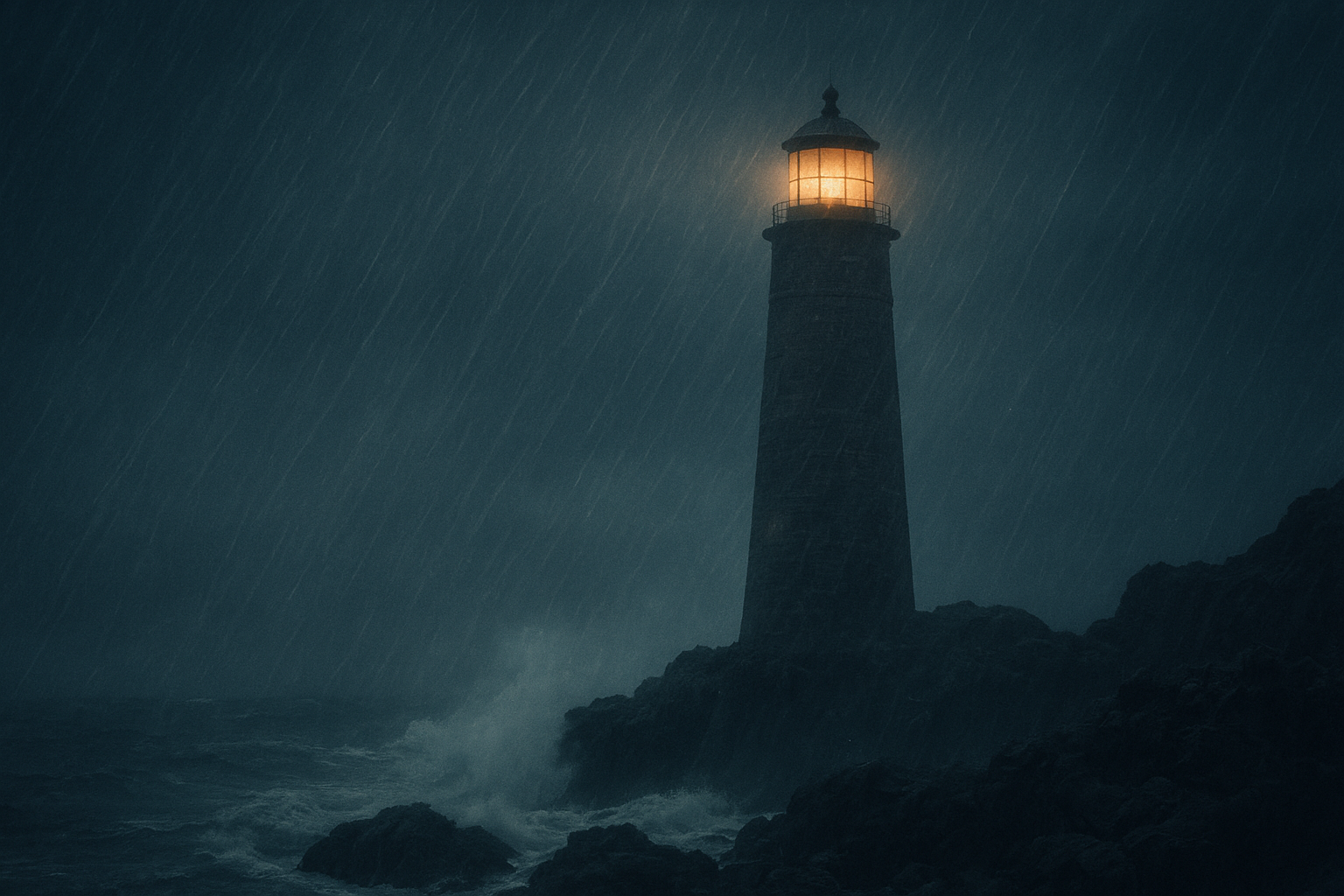
On gale nights, keepers checked lens alignment by hand and logged wave height between squalls. The light had to remain steady even as spray shook the tower glass.
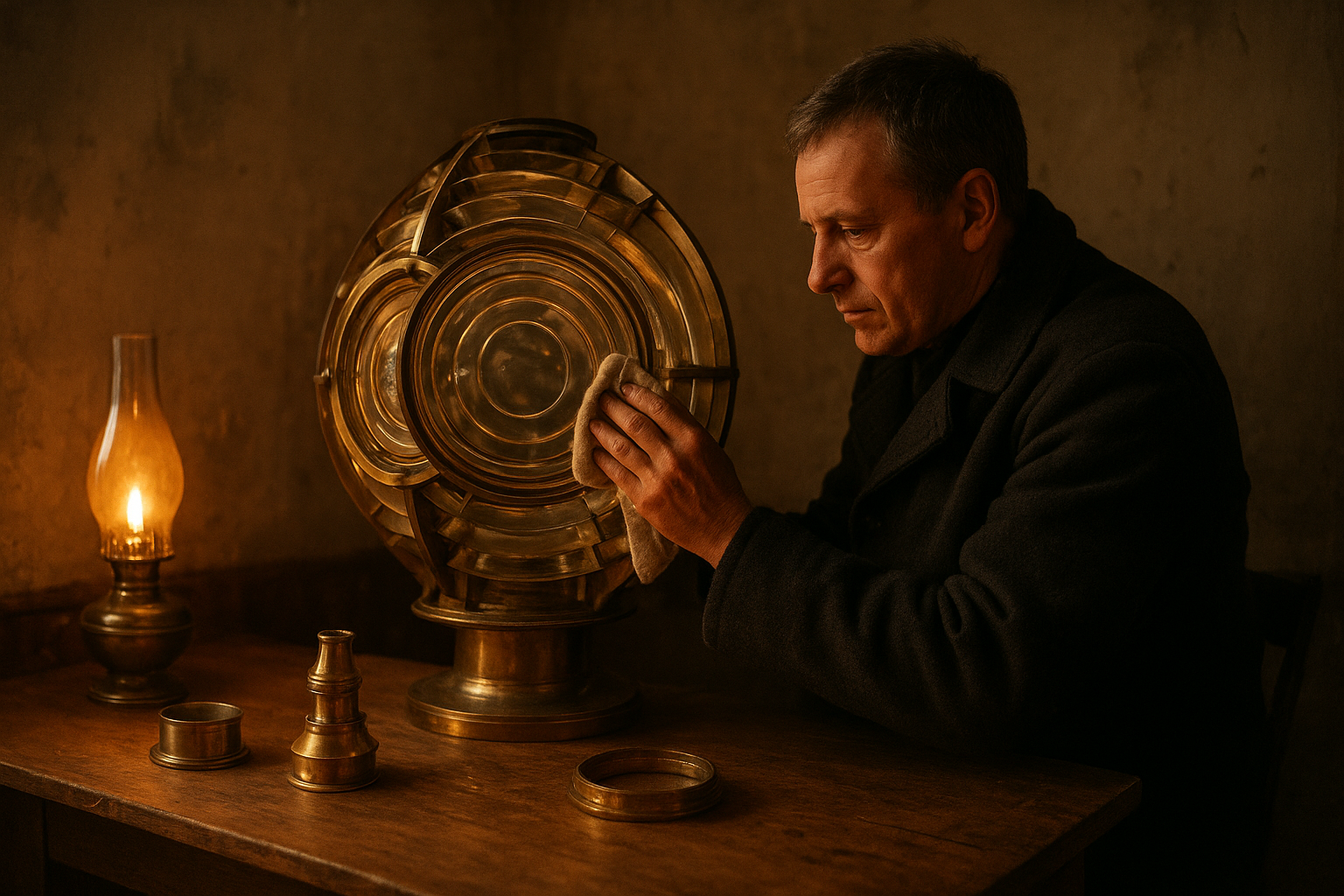
Before automation, lamp care was ritual and precision: trim wick, clean brass, polish the lens, repeat. Small maintenance routines kept the beam clear across fog and distance.
Long quiet weeks at remote towers were balanced by supply visits, signal exchanges, and shared weather news. Each station stood apart, yet formed part of a coastal network.